
Let them down

I have always wanted to help. Or to be the person that could help anytime, all the time. It’s felt right most of my life. But, I am that person no longer.

For the longest time, I thought that I could be there for everyone. It seemed like if you were a good person, you’d never turn someone away. You would contort and shift things around and find a way to get things done for them. A favour for a friend; a chore for the family; helping a colleague. I never thought to draw a limit because it felt unnatural.

All this stemmed from a young age where I lacked support. Not love, but support. I grew up in an environment where learning to live independently was intermingled with isolation. Leave them be and they’ll figure it out – was the mindset. And what choice did I have but to figure it out on my own. I learnt things the hard way and in those moments, I believed that it was all for the best. As a kid, my natural instincts were to trust the adults and consider myself as the source of all negativity. So, I kept on pushing and pushing all by myself.

Our experiences shape us all and I’m no exception. I did not ever wish for anyone to feel that way again. So, I considered myself charged with the responsibility of being there for others. I wasn’t good at it all the time, but I constantly wished I was. And so I pushed and I pushed and some days, I collapsed under the burden of this mindset.

But, I am that person no longer.

As of these few months, I am learning to let people down. I am learning to say “no.”

My values about helping someone in need haven’t disappeared. However, now I turn to myself and ask, “Am I capable of providing help in this moment?”. Wishing you could help doesn’t mean you can. And promising help when you know you cannot; may provide you with instant gratification but, in the long run, it simply isn’t sustainable. You end up letting people down anyways. We have to make peace with letting people down. Not as a first resort, but as a result of considering your current state.

You may surprise people when you say no. They may be shocked that after all this time you are putting your foot down. Do not let that faze you. This is a boundary and an important one at that. Some people around us get used to us being malleable. To us shifting our priorities to achieve their goals. It’s one thing to lend a hand and another, to be continuously unhappy or inconvenienced by things that people ask of you. Learn to let them down.

The world often praises those who lived all their lives for others, but that’s not my path. I’ve learnt that when you give someone a hand to pull them up, you gotta make sure you have the strength to get them up. Otherwise, you both end up on the floor.

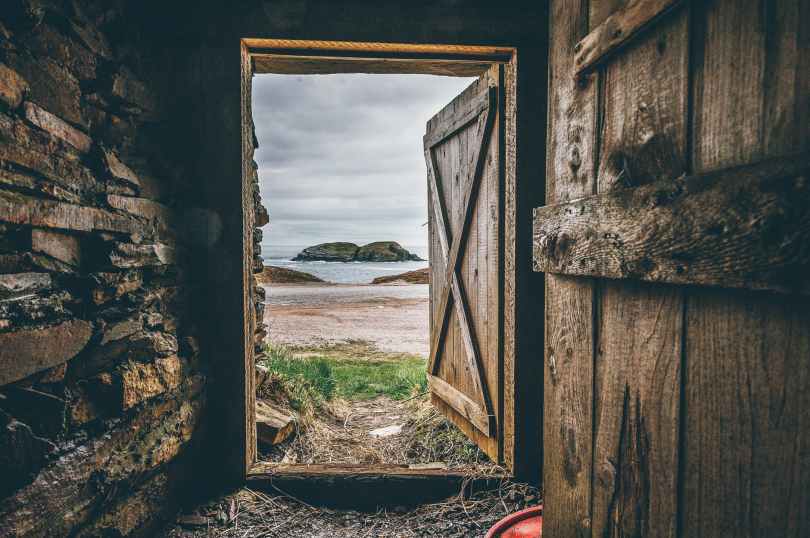
What is so right for them, could be all wrong for you. What they need, you will not always have. And who they want you to be, might just not be who you are.
End well

Have you ever left something incomplete? How do you walk away when you’re giving up on something or more importantly, someone?

Let’s start at the start. I get really excited at the start of new things. Like buying a new notebook and having no idea what you’re gonna write in it. Or meeting someone and the first few minutes of conversation going really well. It’s this small feeling that arises which foretells good times ahead. By now, I know that it doesn’t always pan out that way but I can’t help getting that feeling. Or maybe I want to feel it. Who doesn’t reach for scraps of contentment and assurances that good things are to come?

And then there’s the process itself. The next day comes. More conversations ensue. And you start filling in that notebook with something. Maybe your thoughts or a calendar or artwork. And the process brings with it so much – good moments, unsure moments and those dreaded “do I really want to do this?” moments. These are the ones that often lead to us deciding that the process is not worth it. We overthink things. We panic. We tell ourselves it was never that big of a deal. And then one of two things happens. You either stick with it and see where it takes you. Or you leave it behind and walk away.

Here, I mean to make my message clear – Notebooks and projects can’t feel it when you give up on them. People do.

When you walk away from someone, how do you do it?

I’ve seen my fair share of people walking away from me, for many reasons. In the hurt caused by them doing so, the reason becomes irrelevant. But whether they mention the reason makes all the difference in the world. Today’s social norms are incredibly ignorant of common courtesies. It’s all too normal to start something, lead someone on and the minute you feel unsure, back out without any warning or explanation.

It’s entirely possible you see this as a harmless way of saving yourself pain in explaining why you’re giving up. Perhaps you’ve chosen the most irrational or illogical of reasons. Or perhaps it was really important for you to walk away. But, the one you leave behind has no way of knowing this. They are left doubting themselves, their words and their actions towards you. They aren’t crippled or devastated by this, but it does have a lasting effect. Eventually, they start to perceive the world differently.

They trust differently. They judge differently. They see differently.

Is saving yourself a short conversation really worth this? Must we really be so self-occupied?

I have a friend who is one of the best people I’ve ever known. And as I talked about this with them, I see what it can do to people. I see what it did to me when one of my closest friends chose to walk away. And it’s not something I wish upon those I care about or anyone really.

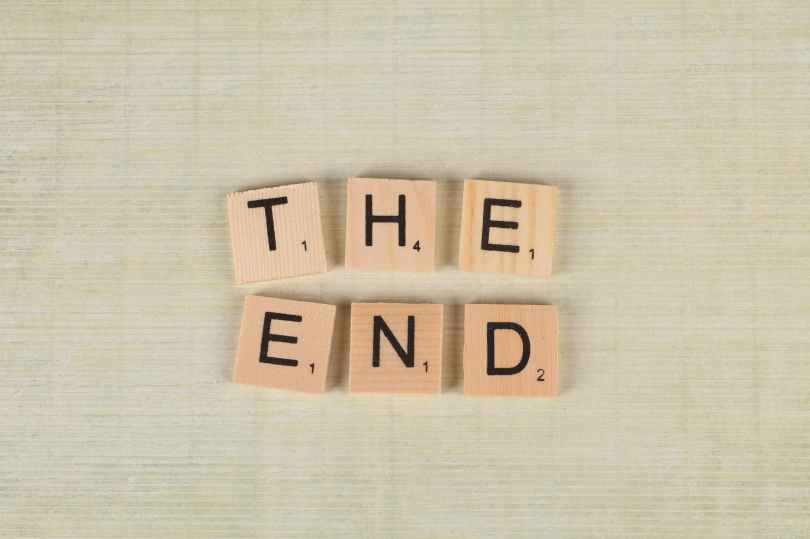
So if you find yourself in a place where you need to give up. I ask you to find the strength to say you’re done. And if you can muster it, say why you’re leaving. End well.

It’s a person you’re walking away from, not a notebook you’re throwing into a drawer because what you wrote on the first page wasn’t picture perfect. It rarely ever is.

End well.

Mortem

I write with a somber note. Today, my thoughts are turned to all those who have lost someone. And to those they lost.

It is a harrowing matter to consider and many would not wish to write about it. Why relive a moment in which you felt like your world would never be the same again? Why talk about it when it is perhaps the most pain you felt in a long time? But I am a writer. When something bothers me, I put it to words. I take away its hold on me in the only way I know how.

I remember a night from when I was 10 years old. I was tossing and turning in bed until a thought shook me awake. I walked over to my parents room and sat at the foot of their bed. I sat there for hours thinking about only one thing – “Someday, I would lose them. On that day, it’d be just me against the world with no one to turn to for advice. And no one to clean up the messes I made.” After a few hours, I forgot all about it and went on with my day. But, I’d be lying if I said that I do not think about that night quite often.

To contemplate the end of a life is hard. To live through it even more so. But, it is perhaps one of the few things we do know with absolute certainty. There is so much we love to predict. Right from the weather to stock markets around the world. So much of our life revolves around predicting but we often look away from this one certain fact – The people around us will pass on someday and so will we.

But, what do we know about what comes after death? No offense to any religious beliefs, but what do we really know? Who amongst us can truly predict what comes after? Not a single soul that still walks and breathes on this earth can foretell the journey of one that has crossed over. I find solace in this lack of knowledge. I would like to believe that a better world awaits. That it is simply a door to the next life. Perhaps the night here is somewhere else a dawn.

Another thought that comforts me is about what death gives us, rather than what it takes away. In a way, it is what love roots from. We love and hold close those we love because we know that they must leave someday. Imagine wishing an eternal life for one you love. Is it truly a fate you would inflict on someone? Or would you rather that you never have to see them pass but they must deal with your loss in their time?

In the end, death is what gives meaning to our time on earth. That those who come after us, remember our days and what we made of them. They remember how we lived and words we spoke and the acts we performed.

It is, therefore, up to us. Both in how we live through the time that is given us; and in how we remember those who have passed.

All this makes me think – the age old words, “Life is a journey, not a destination” are incredibly apt.